
What a safety switch does, and when it trips
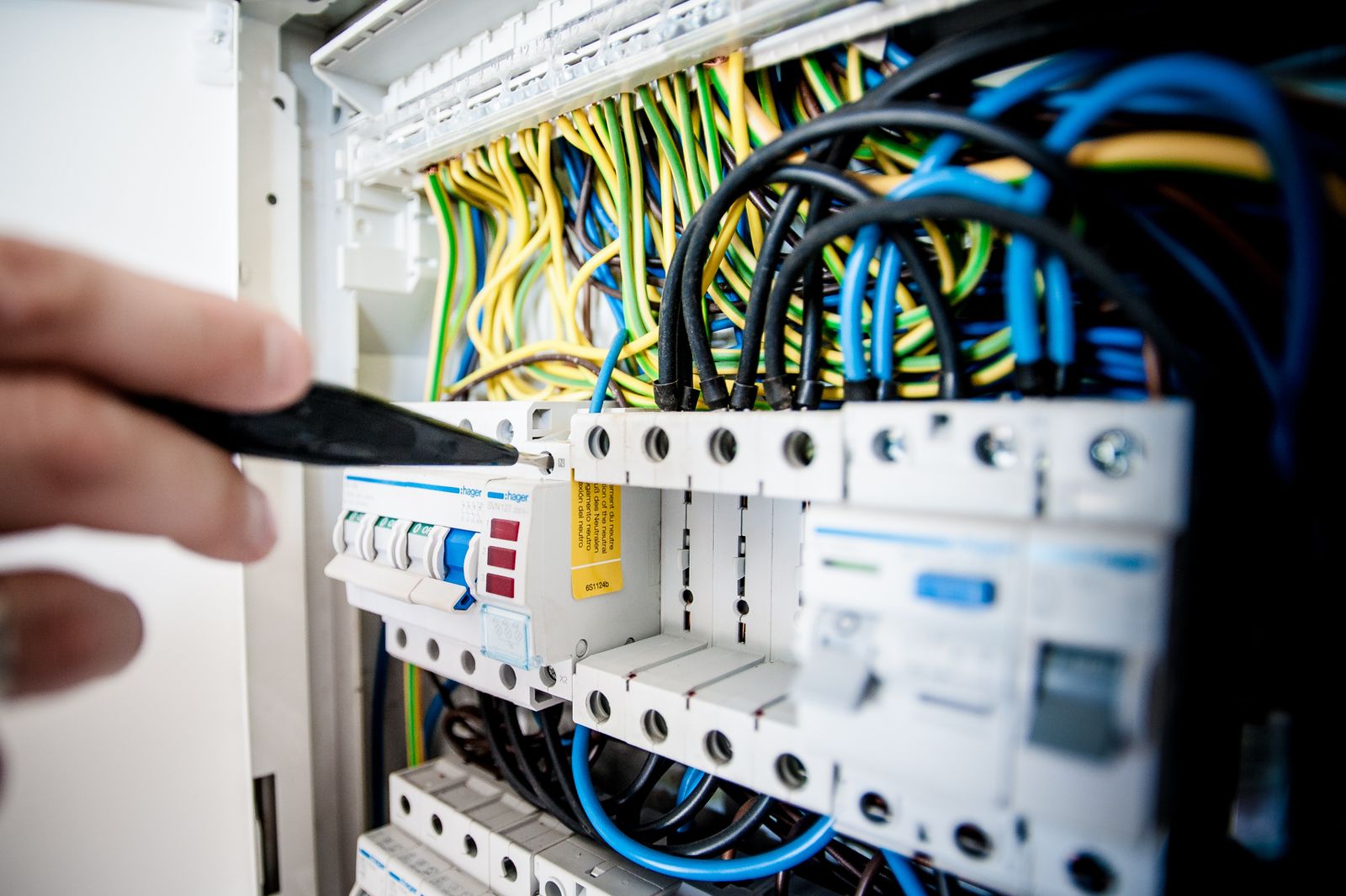
A safety switch, or residual current device, watches the current going out on the active and coming back on the neutral. If some of it is missing, often because it is leaking to earth through a person or a damaged appliance, the device opens. Household protection is commonly 30 milliamps. It is there to reduce the chance of a fatal shock. It does not stop every electrical fire, and it is not a substitute for a circuit breaker.
Breaker, RCD, RCBO
A circuit breaker opens on overload or a short circuit. An RCD opens on leakage. An RCBO combines both for one circuit, which is why a modern board often has a row of narrow devices instead of one safety switch for the whole house. If only one circuit dies, read that device's label. If the whole house dies, look for a main switch or a single upstream safety switch.
The test button
Use the test button the way the maker describes. Pressing it should drop the power that device protects, and the switch should then reset. If the test button does nothing, or the device will not stay on, leave it and ask a licensed electrician. Do not bypass it. A safety switch that trips whenever a particular appliance starts is a reason to unplug that appliance and include its name in the job details.
Get a quote
ElectricalQuotes introduces you to a licensed local electrician. It is not an electrical contractor, and it does not promise a time.